Carob

Find a range of Carob products like carob powder, carob chocolate, carob nibbles and much more. Carob has a naturally sweet taste that is quite similar to chocolate, but without the stimulants like caffeine or theobromine. We also love carob because it is rich in fiber, and has essential vitamins and minerals like calcium, potassium and fiber.

Health Benefits of Carob

Carob isn’t just a simple alternative to cocoa. It boasts its own remarkable nutritional benefits and health-boosting properties. Packed with fiber and naturally sweet, it offers a delightful way to savour rich flavours without the added stimulants or extra fat.

  • Naturally Caffeine-Free
    Unlike cocoa, carob contains no caffeine or theobromine. This makes it a gentle option for anyone wishing to avoid stimulants, including children and those who prefer to limit their intake. It delivers a comforting chocolate-like flavour without the buzz.

  • Source of Dietary Fibre
    Carob is naturally high in fibre, an important part of a balanced diet. Foods containing fibre can contribute to a feeling of fullness, and carob can be an easy way to add more fibre to sweet recipes, drinks, and snacks.

  • Contains Calcium and Magnesium
    Carob powder provides small amounts of calcium and magnesium, two minerals needed by the body for normal functions. Choosing carob as an ingredient is a simple way to include extra variety in your mineral intake.

  • Naturally Sweet Taste
    With its mild, sweet flavour, carob often requires less added sugar when used in recipes compared with cocoa. This makes it a convenient choice for baking, desserts, and drinks where a naturally sweet base is preferred.

  • Plant-Based & Free from Common Allergens
    Carob is naturally vegan, gluten-free, and dairy-free, so it suits a wide range of dietary preferences and lifestyles. It’s a versatile option for people looking for plant-based ingredients or products free from common allergens.

  • Low in Fat Compared to Cocoa
    Carob powder is naturally lower in fat than cocoa, making it a lighter alternative for those seeking a similar taste profile without the richness of chocolate.

Read more
Read less

Showing 1 - 12 of 24

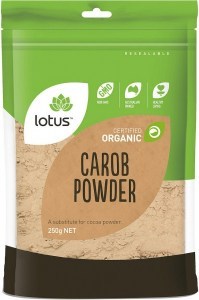
Lotus Organic Carob Powder  250gm
$8.85 RRP $9.25

Lotus Organic Carob Powder

250gm Organic & GF
The Carob Kitchen Carob Banjo Vegan Bear 50x15g
$94.90 RRP $100.55
Carob

Popular Ways to Use Carob

Carob is a really versatile ingredient! It has this naturally sweet, slightly nutty flavour that fits perfectly into all sorts of recipes and snacks. Whether you’re using it as a baking essential or enjoying it in ready-to-eat goodies, it’s a tasty way to mix things up in your diet.

  • Baking Substitute
    Carob powder can be used as a direct 1:1 replacement for cocoa powder in cakes, muffins, brownies, and biscuits, offering a rich taste without the caffeine hit.

  • Carob Chocolate & Chips
    Carob chocolate bars and carob chips are popular alternatives to traditional chocolate, ideal for snacking or adding to cookies, muesli, and trail mixes.

  • Warm Drinks & Smoothies
    Stir carob powder into warm milk or plant-based alternatives for a naturally sweet “hot chocolate” style drink, or blend into smoothies for added depth of flavour.

  • Syrups & Spreads
    Carob molasses or syrup is a traditional Mediterranean sweetener that can be drizzled over porridge, pancakes, or yoghurt, or used in baking.

  • Pet-Safe Treats
    Unlike chocolate, carob is safe for dogs, making it a popular ingredient in pet treats and biscuits.

Carob

Carob vs Cocoa vs Chocolate (per 100g)

Nutrient / Feature Carob Powder (100g) Cocoa Powder (100g) Milk Chocolate (100g) Key Difference
Calories ~220 kcal ~228 kcal ~535 kcal Chocolate has the most calories; carob and cocoa are much lighter.
Fat ~0.7 g ~14 g ~30 g Carob is lowest in fat; cocoa moderate; chocolate highest.
Sugar ~49 g (natural) ~0.9 g ~50 g (mostly added) Carob is naturally sweet; cocoa is very low in sugar; chocolate has added sugar.
Fibre ~40 g ~33 g ~3 g Carob and cocoa are high in fibre; chocolate is very low.
Protein ~4.6 g ~20 g ~7 g Cocoa is highest in protein.
Calcium ~350 mg ~128 mg ~190 mg Carob is highest in calcium.
Magnesium ~54 mg ~499 mg ~63 mg Cocoa is extremely rich in magnesium.
Caffeine 0 mg ~230 mg ~20 mg Carob is caffeine-free; cocoa has much more; chocolate moderate.
Theobromine 0 mg ~2,000 mg ~200 mg Cocoa is highest in theobromine.
Taste Naturally sweet, mild, nutty Bitter, chocolatey, smooth Rich, sweet, slightly bitter Carob is sweet without sugar; cocoa is bitter; chocolate is sweetened.

Frequently Asked Questions

Carob is derived from the pods of the carob tree and has a naturally sweet, mild flavour. Unlike cacao, carob contains no caffeine and very low levels of stimulants such as theobromine. Carob is often enjoyed without the need for added sugar, making it a popular alternative to cocoa in baking and drinks.

Carob is a source of dietary fibre and contains minerals such as calcium, potassium, and magnesium. It also provides small amounts of vitamins including A, B, D, and E. Naturally sweet and low in fat, carob is enjoyed as part of a balanced diet by people looking for a gentle alternative to cocoa-based products.

Absolutely! Most carob products are organic, gluten-free, friendly for those with allergies, nut-free, dairy-free, and free from caffeine and added sugars.

You can add raw carob powder to smoothies or cereals for a malt-like flavour; use roasted powder in baking or hot beverages for a deeper taste, drizzle syrup as a sweetener or topping, or enjoy nibs and chocolate treats as snacks.

Yes, you can! Just keep in mind that since carob is naturally sweeter, you might want to cut the sugar in chocolate recipes by about half.

Carob has a naturally sweet, nutty, and slightly caramel-like flavour. Unlike cocoa, it isn’t bitter, so recipes made with carob usually require less added sugar. It delivers a chocolate-style taste experience with a lighter and smoother profile, often described as more biscuit-like or earthy than rich dark chocolate.

No, carob is naturally free from caffeine and theobromine. This makes it suitable for children, people who are sensitive to stimulants, and those who prefer a gentler option. Carob delivers its chocolate-like taste without the stimulating effects of cocoa, which is one reason for its growing popularity.

Carob powder is made by roasting and grinding the pods of the carob tree. It is commonly used as a 1:1 substitute for cocoa powder in cakes, biscuits, smoothies, and hot drinks. The roasting process brings out a gentle sweetness and nutty depth, making it ideal for both sweet and savoury recipes.

Carob and chocolate have different nutrition profiles. Carob is lower in fat, naturally sweet, and caffeine-free, while cocoa is richer in flavour but higher in fat and contains stimulants. Carob also provides fibre and minerals such as calcium and magnesium. The better choice depends on your taste and dietary needs.

Carob is naturally caffeine-free, a source of dietary fibre, and contains minerals such as calcium and magnesium. It is vegan, gluten-free, and dairy-free, making it suitable for many lifestyles and dietary preferences. Its natural sweetness often reduces the need for added sugar in recipes.

Yes. Carob does not contain theobromine or caffeine, which are harmful to dogs. That’s why it is often used in pet treats. However, it is recommended to only give your dog products made specifically for pets, as human carob sweets may contain added sugars or other ingredients that may not be suitable for animals.

Cacao comes from cacao beans and is the basis of chocolate, with a bitter taste, higher fat content, and natural stimulants. Carob comes from tree pods, is naturally sweet, lower in fat, and contains no caffeine. Carob offers a milder flavour, making it a popular cocoa alternative.

Carob can be used in many of the same ways as cocoa. Try it in cakes, biscuits, and slices, or add it to hot drinks and smoothies. Carob chips make a tasty addition to cookies or muesli, while carob syrup and molasses are enjoyed in traditional Mediterranean and Middle Eastern desserts and drinks.

Carob products are widely available in health food stores, supermarkets, and online. Options include carob powder, bars, chips, and syrups. At Aussie Health Products, you’ll find a range of Australian-grown carob powders, vegan carob chocolates, and even pet-friendly options, all delivered conveniently to your door.